What We Do
Four integrated program areas delivering holistic support to children with cerebral palsy and their families.
How We Create Impact
Healthcare & Therapy
We connect children with cerebral palsy to quality physiotherapy, occupational therapy, and speech-language therapy. Our focus is on early intervention — the earlier a child begins therapy, the better their long-term outcomes.
-
Physiotherapy and movement training sessions
-
Occupational therapy for daily living skills
-
Speech-Language Therapy (SLT)
-
Community-Based Rehabilitation (CBR)
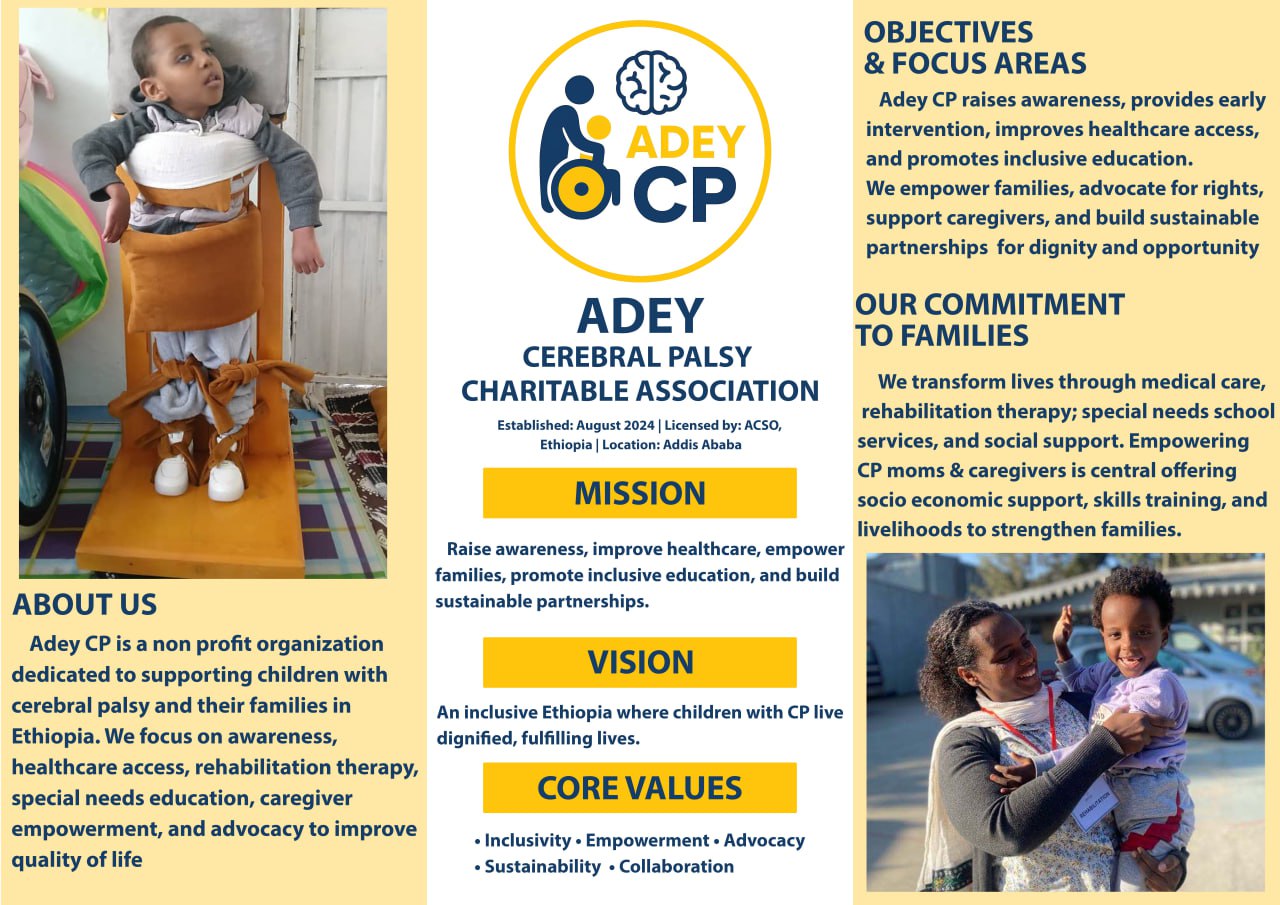
Inclusive Education
Every child deserves to learn. We work with schools, families, and policymakers to create truly inclusive learning environments where children with CP can participate alongside their peers.
-
Advocacy for inclusive classroom policies
-
Adapted learning materials and tools
-
Teacher training on disability inclusion
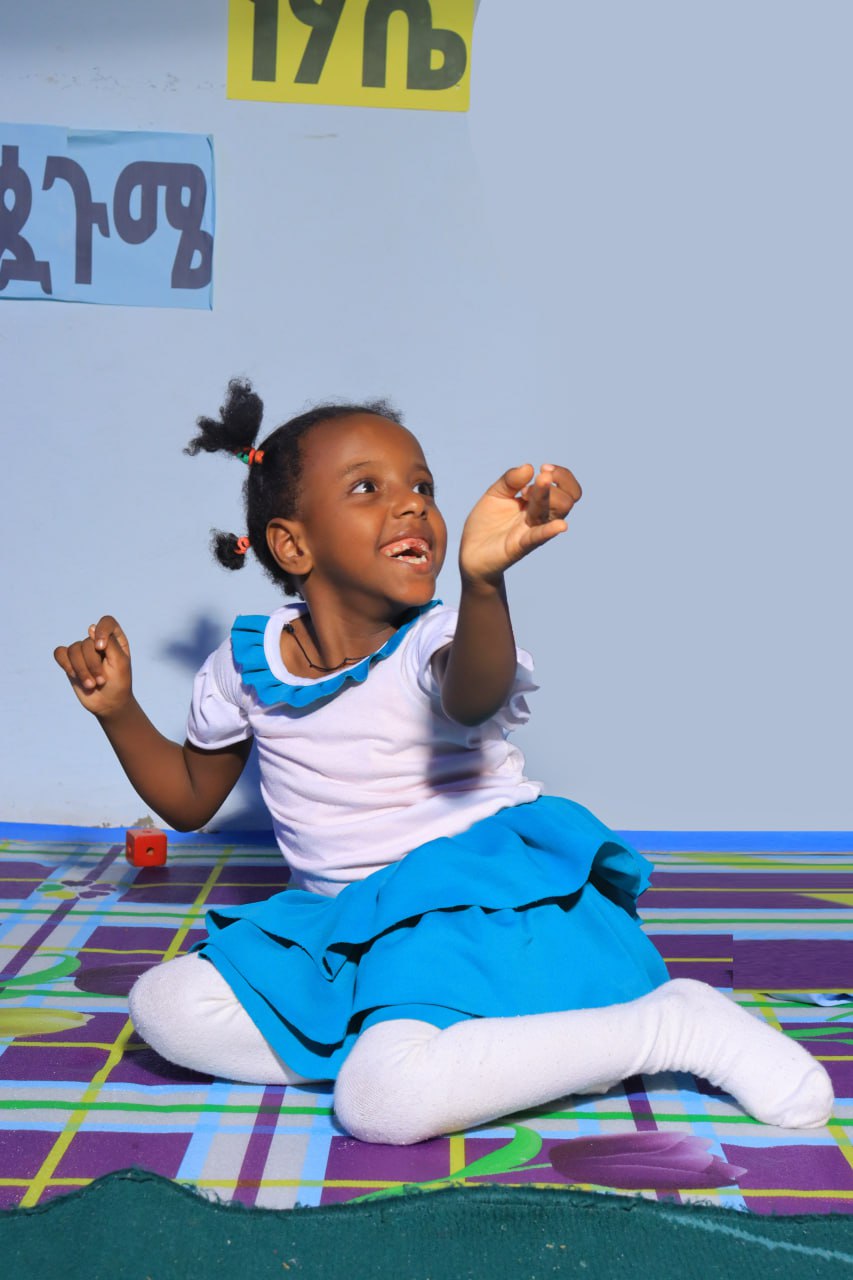
Advocacy & Awareness
Stigma and misinformation remain major barriers in Ethiopia. We run community education campaigns to change perceptions, reduce isolation, and build a society where disability is understood — not feared.
-
Public awareness campaigns and media outreach
-
Policy advocacy at national and regional levels
-
Family and community support networks
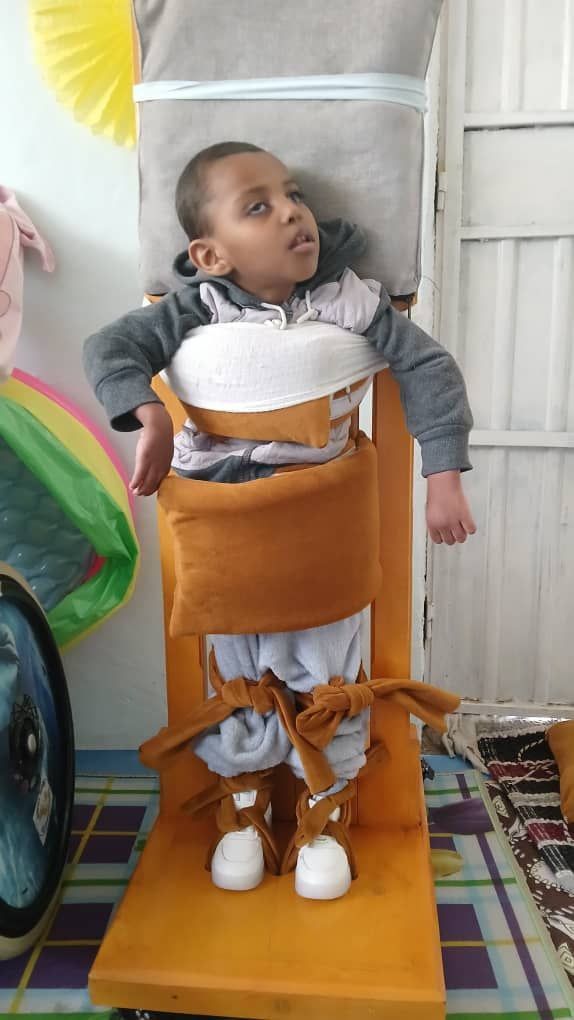
Assistive Devices
The right equipment transforms a child's quality of life. We source and distribute a range of assistive devices, ensuring children can move, communicate, and participate more fully in daily life.
-
Pediatric wheelchairs and walkers
-
Splints, braces, and orthotic supports
-
Specialized seating and positioning systems
Understanding Cerebral Palsy
Cerebral Palsy (CP) is a group of permanent, non-progressive disorders of movement and posture caused by injury or abnormal development of the immature brain. Globally, it affects ~2.5 per 1,000 live births.
Causes
- Prenatal: Infections, congenital brain abnormalities
- Perinatal: Prematurity, birth asphyxia, neonatal stroke
- Postnatal: Severe jaundice (kernicterus), meningitis
Signs & Symptoms
- Delayed motor milestones (sitting, standing)
- Muscle tone abnormalities (stiff or floppy)
- Difficulty with coordination and balance
- Speech and swallowing challenges
Ethiopia's Challenge
- Limited awareness and early diagnosis
- Poor access to neonatal care in rural areas
- High financial burden on families
- Scarcity of trained pediatric therapists